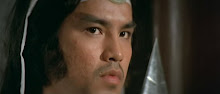
"I've been told that filming FLYING GUILLOTINE 2 is not a wise move for my career because Ho Meng Hua's original is too good to beat. But I am willing to try it as I like accepting challenges so I will dare to shoot a sequel."--Cheng Kang, HKMN February 1976.
This concluding article on the Flying Guillotine movies and the films inspired by them picks up where Part 1 left off--covering the making of Shaw Brothers official sequel, THE FLYING GUILLOTINE 2 (1978), and the astounding amount of trouble they had bringing it to the screen; the problems with Chen Kuan Tai who quit both the film and the studio in late 1976; Guillotine clones from independent studios; and Shaw's final attempt at the material in THE VENGEFUL BEAUTY (1978) and other things in between.
BUILDING A BETTER GUILLOTINE
 In
hindsight, Cheng Kang (the father to famed action choreographer and
director Ching Siu Tung) probably wishes he never dared attempt to
sequelize Ho's classic original. Considering the sheer amount of chaos
surrounding the production, it's a wonder the picture ever got made at
all. In the past, Shaw Brothers had numerous productions that swapped out actors or directors for a variety of reasons. CALL TO ARMS (1973), for example, started over from scratch after it lost its lead actor, Chang Yi. THE DEVIL'S MIRROR (1972) went through six actresses before starting over from scratch with a new cast and director. FG2, on the other hand, was scrapped and started over again an unprecedented three different times. With Wang Yu keeping his personal beef with Run Run Shaw alive (even to this day) in a continuing series of cheaply made clones featuring one-armed men, gangsters, and Guillotines, the movie mogul producing a legitimate sequel to one of his studio's biggest hits ensured they
would be as hellbent on completing it as they were to sue him
for breach of contract.
In
hindsight, Cheng Kang (the father to famed action choreographer and
director Ching Siu Tung) probably wishes he never dared attempt to
sequelize Ho's classic original. Considering the sheer amount of chaos
surrounding the production, it's a wonder the picture ever got made at
all. In the past, Shaw Brothers had numerous productions that swapped out actors or directors for a variety of reasons. CALL TO ARMS (1973), for example, started over from scratch after it lost its lead actor, Chang Yi. THE DEVIL'S MIRROR (1972) went through six actresses before starting over from scratch with a new cast and director. FG2, on the other hand, was scrapped and started over again an unprecedented three different times. With Wang Yu keeping his personal beef with Run Run Shaw alive (even to this day) in a continuing series of cheaply made clones featuring one-armed men, gangsters, and Guillotines, the movie mogul producing a legitimate sequel to one of his studio's biggest hits ensured they
would be as hellbent on completing it as they were to sue him
for breach of contract. After finishing his segment
of the innovative anthology movie THE CRIMINALS (1976), Cheng Kang was
eager to shoot a full-length feature again. An award winning filmmaker, Cheng Kang lived and
breathed cinema. He was one of Hong Kong's most highly respected, and
revered film directors as one of the most high-spirited to ever work in the industry. Some of his finest achievements include TWELVE
GOLD MEDALLIONS (1970), THE 14 AMAZONS (1972), and KIDNAP (1974). He was
notorious for taking an astonishingly long time to make a movie; but the box office
results were almost always worth the wait. While shooting the 'Hidden
Torsos' segment of THE CRIMINALS (1976), for example, reporters took
advantage of the situation and made a bet with him on the first day of
filming that he couldn't complete his portion within two weeks. Eager to
prove them wrong, Cheng Kang took them up on the bet and, working
literally day and night, the determined filmmaker brought his segment
in on schedule.
After finishing his segment
of the innovative anthology movie THE CRIMINALS (1976), Cheng Kang was
eager to shoot a full-length feature again. An award winning filmmaker, Cheng Kang lived and
breathed cinema. He was one of Hong Kong's most highly respected, and
revered film directors as one of the most high-spirited to ever work in the industry. Some of his finest achievements include TWELVE
GOLD MEDALLIONS (1970), THE 14 AMAZONS (1972), and KIDNAP (1974). He was
notorious for taking an astonishingly long time to make a movie; but the box office
results were almost always worth the wait. While shooting the 'Hidden
Torsos' segment of THE CRIMINALS (1976), for example, reporters took
advantage of the situation and made a bet with him on the first day of
filming that he couldn't complete his portion within two weeks. Eager to
prove them wrong, Cheng Kang took them up on the bet and, working
literally day and night, the determined filmmaker brought his segment
in on schedule.
Cheng's nickname was "The Slow Director". At the time, and for purposes of
comparison, director Cheng was nearing completion of his epic crime
opus, KING GAMBLER
(1976); after taking three years to finish
it--from conception to completion (the picture wouldn't be released till November of 1976). This drive
for efficiency built on a bet may have been instrumental in Cheng Kang's decision in tackling a movie that seemed like a better fit for any other
director but him (above pic: Lo Lieh and Shih Szu pose together on the FG2 set while Cheng is still director).
 A perfectionist, Cheng (at right filming FG2) seldom used
other people's scripts that he didn't write himself. On this occasion,
he opted to film whatever the company gave to him; so Ni Kuang sent over
what would eventually become FLYING GUILLOTINE 2. Despite his assertion
to direct whatever assignment the studio handed over, director Cheng didn't like
the script, stating it was too derivative of Ho's movie; so he revised
it to his specifications. For one example, the 'Fools Loyalty' of the
original was repeated once again; but this time it's Shih Szu's
character who, like Chen Kuan Tai's before her, comes to
question the Emperor's orders. Among Cheng's other alterations, he
placed more emphasis on Ku Feng's now Kung Fu fighting Emperor (unlike
the non-fighting emperor played by Chiang Yang in the earlier movie) and
changed Shih Szu's motivations to one of revenge.
A perfectionist, Cheng (at right filming FG2) seldom used
other people's scripts that he didn't write himself. On this occasion,
he opted to film whatever the company gave to him; so Ni Kuang sent over
what would eventually become FLYING GUILLOTINE 2. Despite his assertion
to direct whatever assignment the studio handed over, director Cheng didn't like
the script, stating it was too derivative of Ho's movie; so he revised
it to his specifications. For one example, the 'Fools Loyalty' of the
original was repeated once again; but this time it's Shih Szu's
character who, like Chen Kuan Tai's before her, comes to
question the Emperor's orders. Among Cheng's other alterations, he
placed more emphasis on Ku Feng's now Kung Fu fighting Emperor (unlike
the non-fighting emperor played by Chiang Yang in the earlier movie) and
changed Shih Szu's motivations to one of revenge.  He'd also intended to
change the title from FG2 to something like 'Assassination of Yung Cheng';
stating the weapons were secondary to him, that it was the human
performances he cared most about. Director Cheng likewise enhanced the
number of assassination attempts on the Emperor from the originally scripted single attempt to three; even
writing Shih Szu's character as a cinematic version of Liu Siniang of
the legend--the vengeful daughter who plotted the Emperor's death for
murdering her family. In the end, the Chinese title didn't mention the
infamous decapitator, translating to 'Qing Dynasty Assassination'; but
the English title of FLYING GUILLOTINE PART II was there to clue Anglo
audiences in.
He'd also intended to
change the title from FG2 to something like 'Assassination of Yung Cheng';
stating the weapons were secondary to him, that it was the human
performances he cared most about. Director Cheng likewise enhanced the
number of assassination attempts on the Emperor from the originally scripted single attempt to three; even
writing Shih Szu's character as a cinematic version of Liu Siniang of
the legend--the vengeful daughter who plotted the Emperor's death for
murdering her family. In the end, the Chinese title didn't mention the
infamous decapitator, translating to 'Qing Dynasty Assassination'; but
the English title of FLYING GUILLOTINE PART II was there to clue Anglo
audiences in. When asked about his resistance to
keeping the Guillotine weapon in the title Cheng replied, "There's going
to be a subtitle in the name, but the main plot of our film is killing Emperor
Yung Cheng. The Guillotine is just a weapon. This show will have one thrill after another. The audience is sure to like it, and this must be a purely commercialized movie. I've also changed the original script to include a group of heroes to kill Yung Cheng." As curious as it might've
been to hear the director say he's making the star of the original a
supporting player in its own movie, it was even more befuddling to hear
Cheng Kang, for the first time in his career, proclaim he was making a
commercial motion picture. His films were notable for their meticulous
details and precise characterizations; so it was surprising to hear him
state he was making a formula picture. Additionally, there was even more
special effects with the weapon than the first movie. Japanese
technicians were already working in the studio ready to devise the new effects of the Guillotine but Cheng--who likes to do everything himself--decided to do them (insert: Cheng Kang accepting his award for Best Director at the 11th Annual Golden Horse Awards in October 1973 for THE 14 AMAZONS).
When asked about his resistance to
keeping the Guillotine weapon in the title Cheng replied, "There's going
to be a subtitle in the name, but the main plot of our film is killing Emperor
Yung Cheng. The Guillotine is just a weapon. This show will have one thrill after another. The audience is sure to like it, and this must be a purely commercialized movie. I've also changed the original script to include a group of heroes to kill Yung Cheng." As curious as it might've
been to hear the director say he's making the star of the original a
supporting player in its own movie, it was even more befuddling to hear
Cheng Kang, for the first time in his career, proclaim he was making a
commercial motion picture. His films were notable for their meticulous
details and precise characterizations; so it was surprising to hear him
state he was making a formula picture. Additionally, there was even more
special effects with the weapon than the first movie. Japanese
technicians were already working in the studio ready to devise the new effects of the Guillotine but Cheng--who likes to do everything himself--decided to do them (insert: Cheng Kang accepting his award for Best Director at the 11th Annual Golden Horse Awards in October 1973 for THE 14 AMAZONS).
Filming
began on what was tentatively titled 'The Improved Guillotine' on December 9th, 1975. Chen Kuan Tai, already saddled with a busy slate of films, was assigned to return as Ma
Teng; although his character was no longer the sole focus of the movie. His character was sharing the screen with Shih Szu (who has more screen time in the finished version) and several others portraying the Kiang Nan Swordsmen including familiar faces like Wang Chung and Fan Mei Sheng.
 Liu Wu Chi, one of three female protagonists (including Shaw's reigning Sword Queen Shih Szu
and contender to the throne Nancy Yen), was supposed to reprise her role as Ma's wife, Yu Lan. Liu was a
classically trained actress that joined the Shaw organization in July of
1970 and, while cautious about scripts, didn't care if her role was a
major or supporting one. However, the roles she was being given at this time were vastly different from what she'd done in years prior (insert pic: deleted Cheng Kang footage featuring Shih Chung Tin, Nancy Yen, Shih Szu, and Wang Chung that preceded an assassination attempt by Wang that results in one of their own [played by Ku Kuan Chung] being killed).
Liu Wu Chi, one of three female protagonists (including Shaw's reigning Sword Queen Shih Szu
and contender to the throne Nancy Yen), was supposed to reprise her role as Ma's wife, Yu Lan. Liu was a
classically trained actress that joined the Shaw organization in July of
1970 and, while cautious about scripts, didn't care if her role was a
major or supporting one. However, the roles she was being given at this time were vastly different from what she'd done in years prior (insert pic: deleted Cheng Kang footage featuring Shih Chung Tin, Nancy Yen, Shih Szu, and Wang Chung that preceded an assassination attempt by Wang that results in one of their own [played by Ku Kuan Chung] being killed).
Ironically, while Cheng Kang
would try to speed things up to shake off his frustrating nickname of
"The Slow Director", everything that could go wrong, did; keeping him
from making much progress on the only sequel his name was ever attached to. With one calamity after another, problems
arose a few weeks after filming began, and only snowballed from there.
 Mysteriously,
lead actress Liu Wu Chi would disappear from the set roughly a month
into filming in February of 1976. The crew waited a time for her to
arrive on-set; and when she didn't, they decided to film other scenes
that didn't require her presence, figuring she'd show up at some point;
she never did. Rumors began to swirl that she'd headed back home to
Taiwan, while others claimed she might be in Paris or Brazil; and others
said she was hiding out somewhere in Hong Kong. During a break in
filming on KING GAMBLER in October of 1975, Liu Wu Chi went to Taiwan
for a vacation and remained in contact with director Cheng. For the
actress to suddenly exit without notification and with no news of her
whereabouts was alarming and extremely upsetting to Cheng Kang. She was
his discovery, after all.
Mysteriously,
lead actress Liu Wu Chi would disappear from the set roughly a month
into filming in February of 1976. The crew waited a time for her to
arrive on-set; and when she didn't, they decided to film other scenes
that didn't require her presence, figuring she'd show up at some point;
she never did. Rumors began to swirl that she'd headed back home to
Taiwan, while others claimed she might be in Paris or Brazil; and others
said she was hiding out somewhere in Hong Kong. During a break in
filming on KING GAMBLER in October of 1975, Liu Wu Chi went to Taiwan
for a vacation and remained in contact with director Cheng. For the
actress to suddenly exit without notification and with no news of her
whereabouts was alarming and extremely upsetting to Cheng Kang. She was
his discovery, after all.
In an October 1974 Southern
Screen interview, Liu Wu Chi gave some indication as to what may have
been behind her disappearance from the film world a little over a year
later. Her contract at that time was for five years and was up in 8
months, citing at the time about renewal, "It depends. If Shaw asks me, I
believe I will accept. Of course, I hope to increase the compensation a
little. My interest in acting is getting stronger." Lu did renew, but
she also had other interests such as a clothing business that had closed
down due to Hong Kong's skyrocketing rents. She wished to continue this
business, but desired to reopen in Taipei at some point.
Also, her last two roles at this time were quite different from those earlier in her career. The horror film SPIRIT OF THE RAPED (1976) was a lead for her, but the subject matter was unlike anything she'd done before. And her participation in HOMICIDES: CRIMINALS 2 (1976) was a gritty, if uniquely experimental anthology. So it's possible she didn't like the direction her career was going; abruptly leaving the film industry to start her clothing business again; viewing that as a better option.
Also, her last two roles at this time were quite different from those earlier in her career. The horror film SPIRIT OF THE RAPED (1976) was a lead for her, but the subject matter was unlike anything she'd done before. And her participation in HOMICIDES: CRIMINALS 2 (1976) was a gritty, if uniquely experimental anthology. So it's possible she didn't like the direction her career was going; abruptly leaving the film industry to start her clothing business again; viewing that as a better option.
 As for FG2, weeks
went by and still no word from Liu Wu Chi. The picture was half
complete, so the options were to either scrap the picture or re-cast it.
This is in March of 1976. Wang Yu's ONE-ARMED BOXER VS. THE FLYING
GUILLOTINE is due out the following month in April on the same day as
Shaw's own FG clone DRAGON MISSILE. The price-tag of the average HK
movie was $300,000. Shaw's losses were reported at $200,000. The picture was important enough to the company to start over; after
all, it might appear as a loss of face to scrap it. Cheng Kang quickly
found a replacement for Liu Wu Chi in Hsiao Yao (see insert), an actress from Li Han
Hsiang's camp of prestigious productions. She had an opening in her
schedule in between shooting Sun Chung's surprisingly trashy
COBRA GIRL (1977). With no time to read the script, she agreed to take
the role of Ma's wife, Yu Lan... for the time being.
As for FG2, weeks
went by and still no word from Liu Wu Chi. The picture was half
complete, so the options were to either scrap the picture or re-cast it.
This is in March of 1976. Wang Yu's ONE-ARMED BOXER VS. THE FLYING
GUILLOTINE is due out the following month in April on the same day as
Shaw's own FG clone DRAGON MISSILE. The price-tag of the average HK
movie was $300,000. Shaw's losses were reported at $200,000. The picture was important enough to the company to start over; after
all, it might appear as a loss of face to scrap it. Cheng Kang quickly
found a replacement for Liu Wu Chi in Hsiao Yao (see insert), an actress from Li Han
Hsiang's camp of prestigious productions. She had an opening in her
schedule in between shooting Sun Chung's surprisingly trashy
COBRA GIRL (1977). With no time to read the script, she agreed to take
the role of Ma's wife, Yu Lan... for the time being.
THE CHEN KUAN TAI SITUATION
"The life of an actor has always been limited. I have to pave the way
for myself as I am eager to work behind the camera. I want to be a
director, and I have been trying to learn as much as possible from other
directors."--Chen Kuan Tai, Southern Screen, May 1976
 Chen Kuan Tai became one of HK's most famous Kung Fu stars in the early 1970s. He initially attracted the attention of Cantonese filmmakers in 1969 after winning a light-weight division championship in Singapore's National Skills Competition. The Monkey Fist practitioner became so busy filming, he was unable to continue competitive fighting. In October of 1971, Chen was invited to be a judge at an MA competition in Taiwan but moviemaking didn't allow the time. In November of 1971, Chen signed with Shaw Brothers. As per the stipulations of the agreement, he wasn't allowed to make movies for other companies; although he was permitted to complete IMPETUOUS FIRE (1972), an action-drama directed by Johnny Lo Mar (MONKEY KUNG FU; BRUCE LEE AND I) for Huang Zhuo Han's First Films Company since he'd begun the film prior to signing at Shaw.
 When asked in February of 1972 how he felt about working at Movietown, Chen said, "Shaw is a large organization. The production facilities and equipment are second to none in Southeast Asia. It provides many favorable conditions for filming. I hope to be able to shoot more good films for the studio." With one hit after another (including THE FLYING GUILLOTINE), and four years into his contract, Chen would become increasingly vocal about expanding his career as well as his pay--leading to a complicated situation that would mirror the predicament of another Shaw superstar who had abruptly left the studio in 1970.
 Chen Kuan Tai became one of HK's most famous Kung Fu stars in the early 1970s. He initially attracted the attention of Cantonese filmmakers in 1969 after winning a light-weight division championship in Singapore's National Skills Competition. The Monkey Fist practitioner became so busy filming, he was unable to continue competitive fighting. In October of 1971, Chen was invited to be a judge at an MA competition in Taiwan but moviemaking didn't allow the time. In November of 1971, Chen signed with Shaw Brothers. As per the stipulations of the agreement, he wasn't allowed to make movies for other companies; although he was permitted to complete IMPETUOUS FIRE (1972), an action-drama directed by Johnny Lo Mar (MONKEY KUNG FU; BRUCE LEE AND I) for Huang Zhuo Han's First Films Company since he'd begun the film prior to signing at Shaw.
 When asked in February of 1972 how he felt about working at Movietown, Chen said, "Shaw is a large organization. The production facilities and equipment are second to none in Southeast Asia. It provides many favorable conditions for filming. I hope to be able to shoot more good films for the studio." With one hit after another (including THE FLYING GUILLOTINE), and four years into his contract, Chen would become increasingly vocal about expanding his career as well as his pay--leading to a complicated situation that would mirror the predicament of another Shaw superstar who had abruptly left the studio in 1970.
 In the first half of 1976, Chen Kuan Tai had either wrapped up filming, or was still working on various projects like
CHALLENGE OF THE MASTERS (1976), BIG BAD SIS (1976), and EXECUTIONERS FROM
SHAOLIN (1977). He was also finishing up the long-filming KING GAMBLER (1976), and barely begun
the increasingly troubled THE FLYING GUILLOTINE 2 (1978). The summer of
'76 was also supposed to see him star in the second sequel in the TEAHOUSE
series; initially reported to shoot entirely in the UK with director
Kuei Chi Hung returning. In a May 1976 Southern Screen interview, Chen stated he wished to go
beyond being primarily an actor. He was in his 30s and felt his life as a leading man was getting shorter.
In the first half of 1976, Chen Kuan Tai had either wrapped up filming, or was still working on various projects like
CHALLENGE OF THE MASTERS (1976), BIG BAD SIS (1976), and EXECUTIONERS FROM
SHAOLIN (1977). He was also finishing up the long-filming KING GAMBLER (1976), and barely begun
the increasingly troubled THE FLYING GUILLOTINE 2 (1978). The summer of
'76 was also supposed to see him star in the second sequel in the TEAHOUSE
series; initially reported to shoot entirely in the UK with director
Kuei Chi Hung returning. In a May 1976 Southern Screen interview, Chen stated he wished to go
beyond being primarily an actor. He was in his 30s and felt his life as a leading man was getting shorter. He'd
gotten experience as an Assistant Director under the guidance of Cheng
Kang during the long production of KING GAMBLER (1976). In February of
1976, Chen Kuan Tai got his wish and was allowed to direct a feature for
the first time outside Movietown in THE SIMPLE-MINDED FELLOW (1976);
produced by Chen and popular comedy actor, James Yi Lei for their Tai
Shen Company located in Taiwan. Yi Lei (who had been in the business
since he was 14) stars in what was something of a comedy version of
Chen's popular Big Brother Cheng movies; about a country bumpkin who
leaves the farm to see the big city and gets into trouble. Chen had a
producer credit on the company's first movie, the awful SNAKE FIST
DYNAMO (1974). For this second feature, it was a partnership with both men producing, Yi Lei starring and Chen directing (insert: Yi at left; Chen at right). The film
was a modest success upon its August 1976 release. Still, Chen felt he
wasn't receiving what his star was worth and wanted to continue working
behind the camera as well as in front of it (below photo: Chen and his AD Li Hao rehearse a comedic scene for THE SIMPLE-MINDED FELLOW).
He'd
gotten experience as an Assistant Director under the guidance of Cheng
Kang during the long production of KING GAMBLER (1976). In February of
1976, Chen Kuan Tai got his wish and was allowed to direct a feature for
the first time outside Movietown in THE SIMPLE-MINDED FELLOW (1976);
produced by Chen and popular comedy actor, James Yi Lei for their Tai
Shen Company located in Taiwan. Yi Lei (who had been in the business
since he was 14) stars in what was something of a comedy version of
Chen's popular Big Brother Cheng movies; about a country bumpkin who
leaves the farm to see the big city and gets into trouble. Chen had a
producer credit on the company's first movie, the awful SNAKE FIST
DYNAMO (1974). For this second feature, it was a partnership with both men producing, Yi Lei starring and Chen directing (insert: Yi at left; Chen at right). The film
was a modest success upon its August 1976 release. Still, Chen felt he
wasn't receiving what his star was worth and wanted to continue working
behind the camera as well as in front of it (below photo: Chen and his AD Li Hao rehearse a comedic scene for THE SIMPLE-MINDED FELLOW).
In October
of 1976, Chen Kuan Tai, after being lured by far more lucrative offers
from Taiwanese film producers to make and or direct movies, committed a
breach of contract, vacating Movietown; leaving both FG2 and TWO
GENERATIONS OF MASTERS (later to bear the English title of EXECUTIONERS
FROM SHAOLIN) unfinished. The headstrong actor immediately left for
Taiwan where he began directing and or starring in five motion pictures.
Like Jimmy Wang Yu before him, Chen had lawsuits on his tail
immediately after. The hoopla surrounding the case even drew comparisons
to the Wang Yu suit by the media.
 On October 21st of
that year, Shaw won a temporary injunction against the actor,
prohibiting him from making movies for any company other than
Shaw Brothers, pending the hearing of the suit against him. Run Run Shaw
then issued a letter to his lawyer that Chen refused to shoot the
remainder of FLYING GUILLOTINE 2. Chen also refused to acknowledge the
injunction and went to make movies anyway, resulting in another suit and
another loss in court for Chen; as well as one movie, his second stab
as director (and first time directing himself), IRON MONKEY (1977), being
withheld from release in summer of 1977. After this loss, Chen met with
Ma Fang Chang, the head of Shaw's branch in Taiwan, that he wanted to
meet with Boss Shaw in the hopes of closing the case (insert pic: deleted Cheng Kang FG2 footage with Chen Kuan Tai).
On October 21st of
that year, Shaw won a temporary injunction against the actor,
prohibiting him from making movies for any company other than
Shaw Brothers, pending the hearing of the suit against him. Run Run Shaw
then issued a letter to his lawyer that Chen refused to shoot the
remainder of FLYING GUILLOTINE 2. Chen also refused to acknowledge the
injunction and went to make movies anyway, resulting in another suit and
another loss in court for Chen; as well as one movie, his second stab
as director (and first time directing himself), IRON MONKEY (1977), being
withheld from release in summer of 1977. After this loss, Chen met with
Ma Fang Chang, the head of Shaw's branch in Taiwan, that he wanted to
meet with Boss Shaw in the hopes of closing the case (insert pic: deleted Cheng Kang FG2 footage with Chen Kuan Tai).
Chen
Kuan Tai told reporters that Shaw had always treated him well but he
wanted more money and to fulfill his desire to direct more movies.
Stating Shaw was being unreasonable to his demands, Chen found
independent offers of HK$250,000 for a film too good to pass up versus
the $40,000 per picture he was currently getting. He also stated he
intended to win the suit against him and would fight it to the end.
While these independent companies would dangle larger sums of money to
attract actors, they didn't have the safety net of a major studio. Many
of the indy companies produced one or two movies before going out of
business--gambling high with a name actor in the hopes they produce a
hit that will hopefully lead to more. In the end, it would seem Chen
Kuan Tai's impulsiveness didn't pay off.
 With just a
little over a year remaining on it, his contract was for six years and
24 pictures. Chen stated that he'd already appeared in 29 movies; five
over his contracted number. However, Shaw's countered that the
additional performances were cameo appearances and didn't count as
starring roles. Chen would go on to say if he were to complete TWO
GENERATIONS OF MASTERS (insert: Liu Chia Liang directing Chen on the set of 2 GENERATIONS OF MASTERS), or if he received a new script, he would only
agree after satisfactory negotiations; otherwise, he would refuse to
shoot. Moreover, the suit as issued wasn't demanding monies for breach
of contract, but that Chen Kuan Tai pay Shaw Organization
HK$700,000 in subsidies.
With just a
little over a year remaining on it, his contract was for six years and
24 pictures. Chen stated that he'd already appeared in 29 movies; five
over his contracted number. However, Shaw's countered that the
additional performances were cameo appearances and didn't count as
starring roles. Chen would go on to say if he were to complete TWO
GENERATIONS OF MASTERS (insert: Liu Chia Liang directing Chen on the set of 2 GENERATIONS OF MASTERS), or if he received a new script, he would only
agree after satisfactory negotiations; otherwise, he would refuse to
shoot. Moreover, the suit as issued wasn't demanding monies for breach
of contract, but that Chen Kuan Tai pay Shaw Organization
HK$700,000 in subsidies. Cinemart reported in December
of 1976 that had Chen known earlier that Shaw had agreed to a $500,000
allowance, there never would have been a lawsuit. By this point, Chen
had moved out of the dormitories to an undisclosed location with his live-in girlfriend, Ying Ying.
Cinemart reported in December
of 1976 that had Chen known earlier that Shaw had agreed to a $500,000
allowance, there never would have been a lawsuit. By this point, Chen
had moved out of the dormitories to an undisclosed location with his live-in girlfriend, Ying Ying.
Many other
actors wanted to freelance and or try their hand at directing. Some of these were granted permission without issue for reasons known only to those individuals and the late Sir Run Run Shaw. One such
actor was Lo Lieh (star of DRAGON MISSILE and co-star in
FG2), and his situation was in contrast to Chen's.
"If I had as much money as Boss Shaw, I would never work again. I'd
buy me an island, a private jet, and live like a king! It's not easy
making money and the future is not long. I can shoot outside of Shaw on
three different movies, make HK$30,000 a day, then quickly return to
Movietown. I come back and find out Chen Kuan Tai quit the company and now has a
lawsuit against him. If I had been here I'd not have let him do
this."--Lo Lieh interview, HKMN, June 1977.
 When Lo
Lieh
started at Shaw Studio in the early 1960s, he was making very little
money. By 1978 he was a millionaire. He supplemented his meager income
by gambling,
occasionally losing more than he was winning. One of the hardest working
actors in Asian cinema in those days, it wasn't unusual for him to literally work
24 hours a day; sometimes slinking down in a corner or a chair to catch
a quick nap. When asked why he likes working so much Lo said, "I love making money! There are more movies to be made,
and of course you can make more money making them. But you have to do
good work. If you're sloppy then the director loses interest in you, and
the producer loses confidence in you. It's like blocking your way to
wealth."
When Lo
Lieh
started at Shaw Studio in the early 1960s, he was making very little
money. By 1978 he was a millionaire. He supplemented his meager income
by gambling,
occasionally losing more than he was winning. One of the hardest working
actors in Asian cinema in those days, it wasn't unusual for him to literally work
24 hours a day; sometimes slinking down in a corner or a chair to catch
a quick nap. When asked why he likes working so much Lo said, "I love making money! There are more movies to be made,
and of course you can make more money making them. But you have to do
good work. If you're sloppy then the director loses interest in you, and
the producer loses confidence in you. It's like blocking your way to
wealth." Lo Lieh's aspirations included setting up his own production company.
After filming the Shaw co-pro BLOOD MONEY (known here as THE STRANGER AND THE
GUNFIGHTER), Lo had intended to produce a sequel to the film that
brought him international attention. Unfortunately, 'Five Fingers of
Death 2' never materialized through Lo's Film Company, nor any other company; but he did direct
DEVIL AND ANGEL (1973) and a few South Korean co-productions; and later
was given the opportunity to direct for Shaw in the classic CLAN OF THE
WHITE LOTUS (1980).
Lo Lieh's aspirations included setting up his own production company.
After filming the Shaw co-pro BLOOD MONEY (known here as THE STRANGER AND THE
GUNFIGHTER), Lo had intended to produce a sequel to the film that
brought him international attention. Unfortunately, 'Five Fingers of
Death 2' never materialized through Lo's Film Company, nor any other company; but he did direct
DEVIL AND ANGEL (1973) and a few South Korean co-productions; and later
was given the opportunity to direct for Shaw in the classic CLAN OF THE
WHITE LOTUS (1980). 
Lo Lieh's dutiful loyalty to the Shaw's was
likely the reason
he was allowed to freelance and direct without any obstruction when he
asked to do so. Chen Kuan Tai, on the other hand, took a more
confrontational route. However, unlike the Wang Yu scenario, and with
all the trouble and stubborn behaviors, there was a happy ending to the
CKT situation (above pic: Chen, Run Run Shaw, Lo Lieh in 1972 at Shaw Studios annual New Years party).
In 1976, a committee was formed made up of filmmakers, studios,
and businessmen who would agree not to support actors that broke their
contracts. Chen, though, was still able to find backing. He continued filming
in Taiwan the entire time but exactly where was a mystery despite
attempts by Shaw to find out. He also shot at least one movie in
Indonesia during his costly two year temper tantrum. However, there were signs that things were
beginning to take a slight turn for the better in early 1977.
 Liu
Chia Liang got the two men together sometime in January '77, meeting
and discussing their predicament for two hours in Shaw's office. What
was said wasn't revealed although Liu (insert pic at right with Chen Kuan Tai upon completion of CHALLENGE OF THE MASTERS) told reporters the two men were
jovial in their conversation. No settlement was decided upon, but Chen
did return to finish Liu's movie, EXECUTIONERS FROM SHAOLIN in time for
its Chinese New Year playdate; telling reporters at an early screening
in February, "'Hung Hsi Kuan' is the last movie I have made for Shaw. I
hope it is the best. I have high expectations for it."
Liu
Chia Liang got the two men together sometime in January '77, meeting
and discussing their predicament for two hours in Shaw's office. What
was said wasn't revealed although Liu (insert pic at right with Chen Kuan Tai upon completion of CHALLENGE OF THE MASTERS) told reporters the two men were
jovial in their conversation. No settlement was decided upon, but Chen
did return to finish Liu's movie, EXECUTIONERS FROM SHAOLIN in time for
its Chinese New Year playdate; telling reporters at an early screening
in February, "'Hung Hsi Kuan' is the last movie I have made for Shaw. I
hope it is the best. I have high expectations for it."
Liu
Chia Liang made a statement to the press that Chen would likely return to the
studio in April 1977, citing the actor would star in a movie for him;
but didn't say if this was to finish out his existing contract or to
sign a new one. Chen's last Shaw picture was indeed a hit, making over
$2.5 million in HK. Unfortunately, the actor didn't return a few months
later in April.


That same month in February of 1977, a
prohibition order was issued in Taiwan. After several months of filming
in secret, Chen Kuan Tai was found to be in violation of the ban in May.
Reportedly, his second directing effort, IRON MONKEY (1977), did briefly play theaters
in
Taiwan, but was pulled from release more than once. Chen made five
films outside of Movietown and yet none could legitimately be screened anywhere till
the matter with Shaw was settled.
"I left Shaw because I was overwhelmed and not taken seriously. I think I
am worth a certain price, but the company can't satisfy me. I can't let
it go. I don't think I am being unreasonable, and will fight for
it."--Chen Kuan Tai, Cinemart interview, April 1978
 Chen's
contract dispute was one problem that never needed to have happened.
Unfortunately, the steadfast actor was regularly in the news at this
time for other things. He had been separated from his wife for three
years and, with many admirers, had fallen in love a few times in the
interim; the next object of his affection being former Shaw Brothers
Training Center student, Ying Ying (see insert). When that soured after a six year
relationship, Fang Chen I came along in April of '78. Complementing his
romantic life, and changing his point of view on marrying again, it's possible Ms. Fang was instrumental in tempering the actor's stubbornness. Much like Wang Yu's characters he played in his movies, Chen Kuan Tai was a lot like those he played on-screen as well. Meantime, Chen was expending a lot of money on court hearings
between a divorce and a film contract suit.
Chen's
contract dispute was one problem that never needed to have happened.
Unfortunately, the steadfast actor was regularly in the news at this
time for other things. He had been separated from his wife for three
years and, with many admirers, had fallen in love a few times in the
interim; the next object of his affection being former Shaw Brothers
Training Center student, Ying Ying (see insert). When that soured after a six year
relationship, Fang Chen I came along in April of '78. Complementing his
romantic life, and changing his point of view on marrying again, it's possible Ms. Fang was instrumental in tempering the actor's stubbornness. Much like Wang Yu's characters he played in his movies, Chen Kuan Tai was a lot like those he played on-screen as well. Meantime, Chen was expending a lot of money on court hearings
between a divorce and a film contract suit.
This also wasn't the first time Chen had vacated a film before its
completion. At the beginning of his career, he'd already worked as a background actor in some two dozen
movies--many of which were at Shaw Studio; one of them being a thug in
Wang Yu's THE CHINESE BOXER (1970). His biggest role at that time was as
the main villain in Ng See Yuen's independently made THE BLOODY FISTS (1972). Chang Cheh
had already directed Chen as an extra in some of his films like VENGEANCE! (1970),
and thought he'd be the perfect Ma Yung Chen, the lead character in THE
BOXER FROM SHANTUNG (1972). Chen wasn't finished shooting Ng's
independent picture, so he just quit the production and left for Shaw
Brothers where he became a star overnight (pic at top: Chen and Ng See Yuen [wearing glasses]).
 Finally,
after a near two year court battle, in September of 1978, Chen Kuan Tai
would settle things with the recently knighted Sir Run Run Shaw (You can read more about Shaw's legacy and Movietown in a two-part article HERE). He
returned to Movietown, signing a new four year contract with
two films per year. Upon his arrival, it was like "the wanton one" had
never left. It was like seeing old friends again with everyone greeting
him and cracking jokes as if no time had passed. Chen's first movie upon
his long-awaited return was Chang Cheh's CRIPPLED AVENGERS (1978). He
not only returned to the studio that cultivated his fame, but he
returned to the director that made him famous. In later years, Chen
would reflect Shaw's Old Hollywood sentiments in interviews regarding
the difficulties of producing quality movies with temperamental film stars making demands. He remained with Shaw Brothers till they closed their doors in the mid-1980s, and worked behind the camera again, as well as making movies outside the company.
Finally,
after a near two year court battle, in September of 1978, Chen Kuan Tai
would settle things with the recently knighted Sir Run Run Shaw (You can read more about Shaw's legacy and Movietown in a two-part article HERE). He
returned to Movietown, signing a new four year contract with
two films per year. Upon his arrival, it was like "the wanton one" had
never left. It was like seeing old friends again with everyone greeting
him and cracking jokes as if no time had passed. Chen's first movie upon
his long-awaited return was Chang Cheh's CRIPPLED AVENGERS (1978). He
not only returned to the studio that cultivated his fame, but he
returned to the director that made him famous. In later years, Chen
would reflect Shaw's Old Hollywood sentiments in interviews regarding
the difficulties of producing quality movies with temperamental film stars making demands. He remained with Shaw Brothers till they closed their doors in the mid-1980s, and worked behind the camera again, as well as making movies outside the company.
MAKING FLYING GUILLOTINE PART II: PART 2
 Cheng
Kang continued shooting what he could on FG2 even though he was
distracted by wanting to finish up KING GAMBLER (starring Chen Kuan Tai
as the villain), a movie he'd toiled away on for three years at a cost
in the range of HK$5-$6 million. So it was filming FG2 during the day
and working on the dubbing for his gambling epic at night. He finally
had the gambling movie ready by October of 1976, just in time for its November
release (insert pic: deleted scene of Liu Fai and Fan Mei Sheng encountering the new FG).
Cheng
Kang continued shooting what he could on FG2 even though he was
distracted by wanting to finish up KING GAMBLER (starring Chen Kuan Tai
as the villain), a movie he'd toiled away on for three years at a cost
in the range of HK$5-$6 million. So it was filming FG2 during the day
and working on the dubbing for his gambling epic at night. He finally
had the gambling movie ready by October of 1976, just in time for its November
release (insert pic: deleted scene of Liu Fai and Fan Mei Sheng encountering the new FG).
Ironically, it was reported at the time that Cheng Kang was shooting FG2 with a quickness he was unaccustomed to. Sadly, he was now minus his main star and, not long after, Hsiao Yao. She showed great promise in Li Han Hsiang's big budget epics THE EMPRESS DOWAGER (1975) and THE LAST TEMPEST (1976). But for reasons unknown at the time, she exited the picture, and the industry, disappearing as Liu Wu Chi had done; although this wasn't the last time she made a public appearance, but more on that later (above pic: deleted scene from Cheng Kang's footage taking place after Liu Lu Hua's failed assassination attempt and leading into the scene where Wang Chung thinks he's about to kill the Emperor).
 Unfortunately,
director Cheng Kang (at right with Shih Szu) wouldn't see his first commercial project through to the
end. His contract stipulated he must direct four movies a year. The
last time he made that many was 1972. With all the trouble "The Slow
Director" had attempting to complete FG2, he was unwilling to continue
and left the project with 1/3 of the movie finished. Cheng left Shaw
Studio to try his hand on the independent circuit with the modern thriller THE SCOUNDREL
(1977), stating at the time in interviews for other publications that he hadn't left Movietown for good, but was
awaiting a proper script; that turned out to be GAMBLER'S DELIGHT--a
followup to his KING GAMBLER (1976) that would take even longer to make
(it began filming in '77 but wasn't completed till 1981). Cheng had
better luck with the modern prison drama, INVINCIBLE ENFORCER, a Shaw
Brothers release for 1979.
Unfortunately,
director Cheng Kang (at right with Shih Szu) wouldn't see his first commercial project through to the
end. His contract stipulated he must direct four movies a year. The
last time he made that many was 1972. With all the trouble "The Slow
Director" had attempting to complete FG2, he was unwilling to continue
and left the project with 1/3 of the movie finished. Cheng left Shaw
Studio to try his hand on the independent circuit with the modern thriller THE SCOUNDREL
(1977), stating at the time in interviews for other publications that he hadn't left Movietown for good, but was
awaiting a proper script; that turned out to be GAMBLER'S DELIGHT--a
followup to his KING GAMBLER (1976) that would take even longer to make
(it began filming in '77 but wasn't completed till 1981). Cheng had
better luck with the modern prison drama, INVINCIBLE ENFORCER, a Shaw
Brothers release for 1979. In the past, Run Run Shaw
had canceled movies with far less issues than FG2. It's the only time in
their history that they filmed a movie three times to get it completed.
FG2 would now have a new director, new lead actor and new actress attached.
With the failure of DRAGON MISSILE (1976) to strike gold at the HK box
office (it made less than half what Ho's original movie had made and
Wang Yu's impoverished knock-off), there was high hopes that this
official sequel would be the success its production failed to be.
However, there were more Guillotine clones coming (insert: deleted shot from Hua Shan's footage of Ti Lung battling the Guillotine Squad that was supposed to introduce Ma Teng and the Kiang Nan fighters to the new Double Guillotine).
In the past, Run Run Shaw
had canceled movies with far less issues than FG2. It's the only time in
their history that they filmed a movie three times to get it completed.
FG2 would now have a new director, new lead actor and new actress attached.
With the failure of DRAGON MISSILE (1976) to strike gold at the HK box
office (it made less than half what Ho's original movie had made and
Wang Yu's impoverished knock-off), there was high hopes that this
official sequel would be the success its production failed to be.
However, there were more Guillotine clones coming (insert: deleted shot from Hua Shan's footage of Ti Lung battling the Guillotine Squad that was supposed to introduce Ma Teng and the Kiang Nan fighters to the new Double Guillotine).
"This
investment has been a costly one for the company and a picture that has
really exhausted its cast members and staff."--Director Hua Shan, HKMN,
May 1977


When Hua Shan (above in middle with Ti Lung at left and Lo Lieh at right) took over in January of 1977,
he more or less followed the script as written. He was already working on other pictures like ARSON: CRIMINALS III (1977), TO KILL A JAGUAR (1977), and LAST STRIKE (1977), one of a few independent features he made for the Eternal Film Company. Moreover, his style was vastly different from Cheng Kang. His was a streamlined approach with a relentlessly kinetic energy whereas Cheng was more diligent in every aspect of the production. Had Cheng remained as sole director the film would likely have been closer to two hours like the original--instead of the ADD-infused pace of Hua's infinitely entertaining 90 minute mess.
 Since they were starting
over with new cast and crew, the film's new tentative English title was
now 'Palace Carnage'. Li Yung Chang, who had been an AD and writer for
Hua's earlier movies (THE SUPER INFRAMAN, THE CRIMINALS, and
BROTHERHOOD), was brought in for some rewrites. This was now the third
time the movie was starting over from scratch. Cheng Kang's completed
portions with the female Guillotine squad headed by Shih Szu remained
intact; as did some of what he shot with the Kiang Nan swordsmen. A number of his other scenes were deleted or reshot; either because Hua Shan wanted to shoot from his own angles, or these scenes linked with footage of Chen Kuan Tai that
were now unusable. Other scenes weren't shot at all due to time and money. There was a push to get the film made; shortcuts were taken allowing for gaps in the plot to be painfully noticeable (insert: On-set image from Cheng Kang's footage shooting a scene involving Shih Szu and her all-female Guillotine squad; the cameraman is filming inside a camera-protective box while crewmembers toss shields into the air).
Since they were starting
over with new cast and crew, the film's new tentative English title was
now 'Palace Carnage'. Li Yung Chang, who had been an AD and writer for
Hua's earlier movies (THE SUPER INFRAMAN, THE CRIMINALS, and
BROTHERHOOD), was brought in for some rewrites. This was now the third
time the movie was starting over from scratch. Cheng Kang's completed
portions with the female Guillotine squad headed by Shih Szu remained
intact; as did some of what he shot with the Kiang Nan swordsmen. A number of his other scenes were deleted or reshot; either because Hua Shan wanted to shoot from his own angles, or these scenes linked with footage of Chen Kuan Tai that
were now unusable. Other scenes weren't shot at all due to time and money. There was a push to get the film made; shortcuts were taken allowing for gaps in the plot to be painfully noticeable (insert: On-set image from Cheng Kang's footage shooting a scene involving Shih Szu and her all-female Guillotine squad; the cameraman is filming inside a camera-protective box while crewmembers toss shields into the air).
Several scenes with the Kiang Nan warriors were cut out or shot again. One of these do-overs is at the conclusion when the swordsmen swear to kill Yung Cheng. In Hua Shan's footage, Shih Szu is wearing her silk outfit with the headdress. But in Cheng Kang's footage, she's wearing an entirely different outfit (see above pic); and the warriors put their swords together in close-up as opposed to standing apart in a wide-shot while raising their blades into the air in Hua's footage.


A
former DP turned hot shot director, two of Hua's cinematographer credits include Wang Yu's THE CHINESE BOXER (1970) and Cheng Kang's THE 14 AMAZONS (1972). He showed his willingness for
difficult projects with his first Shaw directing gig, THE SUPER INFRAMAN
(1975); a complicated SciFi movie with lots of special effects that had
never been done before in HK (you can read our extensive 'Making Of'
HERE). The movie failed to be a hit, but was a huge success in America
and elsewhere. Hua Shan soon showed a knack for gritty crime thrillers,
producing a big hit with the brutal modern day Triad thriller
BROTHERHOOD (1976) starring DRAGON MISSILE's Tony Liu Yung (above pic: lobby card with alternate and or deleted shots).

Hua Shan's participation on the third entry in the CRIMINALS series was catastrophic as well, during the filming of Kuei Chi Hung's 'Arson' segment; the cast and crew were nearly killed when a real fire broke out inside the studio. With Hua's eagerness to learn and energy behind the camera, he was a good choice to take over FG2; a movie that was one of, if not the most troublesome production in Shaw Brothers history (above pic: alternate shot from Hua Shan's version. In the movie, you'll notice there's already another Guillotine attached to the other end of Ti Lung's Double Guillotine Counter Weapon).

Hua Shan's participation on the third entry in the CRIMINALS series was catastrophic as well, during the filming of Kuei Chi Hung's 'Arson' segment; the cast and crew were nearly killed when a real fire broke out inside the studio. With Hua's eagerness to learn and energy behind the camera, he was a good choice to take over FG2; a movie that was one of, if not the most troublesome production in Shaw Brothers history (above pic: alternate shot from Hua Shan's version. In the movie, you'll notice there's already another Guillotine attached to the other end of Ti Lung's Double Guillotine Counter Weapon).
"I
think I've lost ten pounds taking on this job! There's been major
personnel changes and the production costs are far beyond the budget.
This is my first costume movie so if it doesn't do well please forgive
me!"--Hua Shan, HKMN interview, April 1977.
 The
ever-busy Ti Lung took over the role of Ma Teng vacated by Chen Kuan Tai. The bubbly actress and former Miss Taiwan beauty pageant winner,
Chen Szu Chia (see insert) took over the role of Ma's wife, Yu Lan--vacated first by Liu Wu Chi, and then Hsiao Yao, who quit the business entirely. Ms. Chen raised a
lot of eyebrows in her debut for Kuei Chi Hung in the hit GHOST EYES
(1974), a horror picture that started a wave of ghost and possession
movies inspired by the box office smash, THE EXORCIST (1973). She became
a regular face in a few dozen Shaw movies, mostly in costume action and
dramas. She and Hsiao Yao were dormitory neighbors and were often seen
and photographed together. But while Liu Wu Chi disappeared without a
trace, never to be seen again, Hsiao Yao would resurface several months
after her own disappearing act; although she too would
telegraph a possible desire to exit the film world in October of '76.
The
ever-busy Ti Lung took over the role of Ma Teng vacated by Chen Kuan Tai. The bubbly actress and former Miss Taiwan beauty pageant winner,
Chen Szu Chia (see insert) took over the role of Ma's wife, Yu Lan--vacated first by Liu Wu Chi, and then Hsiao Yao, who quit the business entirely. Ms. Chen raised a
lot of eyebrows in her debut for Kuei Chi Hung in the hit GHOST EYES
(1974), a horror picture that started a wave of ghost and possession
movies inspired by the box office smash, THE EXORCIST (1973). She became
a regular face in a few dozen Shaw movies, mostly in costume action and
dramas. She and Hsiao Yao were dormitory neighbors and were often seen
and photographed together. But while Liu Wu Chi disappeared without a
trace, never to be seen again, Hsiao Yao would resurface several months
after her own disappearing act; although she too would
telegraph a possible desire to exit the film world in October of '76.
"Filming
is just a job for me. It's a bit of fun, of course, but my ambitions
are not big. I'd rather just be a normal person. Life in Taiwan is more
leisurely. There's no rhythm to living in Hong Kong. There comes a
turning point in a woman's life, and she wants marriage."--Hsiao Yao,
Southern Screen interview, October 1976
 In December of
1976, Hsiao Yao (at left in insert pic with Chen Szu Chia) had went home to Taiwan for Christmas, but never
returned to Movietown to resume filming and no one knew where to find
her there. Other than FG2, she had worked several days on the now
aborted 'The Whirlwind Kick'; what would've been David Chiang's fifth
movie as director. Four months later in April of 1977, she was spotted
at Kai Tak airport in Hong Kong where she was surrounded by reporters.
Expressing shame and embarrassment over what she'd done, Hsiao later met
with Mona Fong to discuss her contract in the hopes she would be
released without any problems. She had lost all interest in the film
world, having made up her mind to marry her boyfriend of two years.
In December of
1976, Hsiao Yao (at left in insert pic with Chen Szu Chia) had went home to Taiwan for Christmas, but never
returned to Movietown to resume filming and no one knew where to find
her there. Other than FG2, she had worked several days on the now
aborted 'The Whirlwind Kick'; what would've been David Chiang's fifth
movie as director. Four months later in April of 1977, she was spotted
at Kai Tak airport in Hong Kong where she was surrounded by reporters.
Expressing shame and embarrassment over what she'd done, Hsiao later met
with Mona Fong to discuss her contract in the hopes she would be
released without any problems. She had lost all interest in the film
world, having made up her mind to marry her boyfriend of two years. Despite
putting FG2 in turmoil yet again, and causing another movie she was to
star in to cancel, Shaw released her from her contract under the
condition she wouldn't work for another company after her wedding
(several years earlier, Cheng Pei Pei quit Shaw's and the film world to
get married but was lured back into the limelight by Shaw's rival,
Golden Harvest not long after). In those days, it wasn't unusual for
actresses to exit the industry once they desired marriage--the biggest role of their lives--taking on the responsibility of a
family. Preferring her privacy and disliking media attention, Hsiao Yao
nonetheless had a decent, albeit brief run in an eclectic mix of
projects.
Despite
putting FG2 in turmoil yet again, and causing another movie she was to
star in to cancel, Shaw released her from her contract under the
condition she wouldn't work for another company after her wedding
(several years earlier, Cheng Pei Pei quit Shaw's and the film world to
get married but was lured back into the limelight by Shaw's rival,
Golden Harvest not long after). In those days, it wasn't unusual for
actresses to exit the industry once they desired marriage--the biggest role of their lives--taking on the responsibility of a
family. Preferring her privacy and disliking media attention, Hsiao Yao
nonetheless had a decent, albeit brief run in an eclectic mix of
projects.
 The dark cloud hovering over FG2 stayed even
after principle photography was finally completed in June of 1977. Nancy Yen, a talented martial artist (at left and above with Shaw Yin Yin prior to filming THE DEADLY ANGELS), decided upon returning to HK after a
vacation in Taiwan she would not be appearing in anymore Shaw
productions after August of 77, citing dissatisfaction with the roles
she was being given. Her role in FG2 was condensed further when Hua Shan came aboard to salvage the film; a part that was much smaller than what she had in DRAGON MISSILE. Prior to Chen Kuan Tai bolting from the FG2 set,
Yen seemed a bit excited about her next project, a modern day action
movie called 'Women Detectives'; later to be known as THE DEADLY ANGELS
(1977), one of the Shaw Brothers' biggest box office hits. Designed as a riff on the American CHARLIES ANGELS television series, Yen starred alongside, Evelyn Kraft (THE MIGHTY PEKING MAN), Shaw Yin Yin (BIG BAD SIS), and Dana (COBRA GIRL).
The dark cloud hovering over FG2 stayed even
after principle photography was finally completed in June of 1977. Nancy Yen, a talented martial artist (at left and above with Shaw Yin Yin prior to filming THE DEADLY ANGELS), decided upon returning to HK after a
vacation in Taiwan she would not be appearing in anymore Shaw
productions after August of 77, citing dissatisfaction with the roles
she was being given. Her role in FG2 was condensed further when Hua Shan came aboard to salvage the film; a part that was much smaller than what she had in DRAGON MISSILE. Prior to Chen Kuan Tai bolting from the FG2 set,
Yen seemed a bit excited about her next project, a modern day action
movie called 'Women Detectives'; later to be known as THE DEADLY ANGELS
(1977), one of the Shaw Brothers' biggest box office hits. Designed as a riff on the American CHARLIES ANGELS television series, Yen starred alongside, Evelyn Kraft (THE MIGHTY PEKING MAN), Shaw Yin Yin (BIG BAD SIS), and Dana (COBRA GIRL). After refusing for years to bare any skin on-screen, the conservative actress did go as far as showing off her figure in a bathing suit for the movie. When Nancy Yen left Shaw's she didn't quit the industry, but went back to making independent motion pictures before retiring in the early 1980s.
 When
FG2 was released in February of 1978, it did dismal business compared to
all the effort and amount of money expended to get it made. With so many problems, it's amazing the film turned out as entertaining as it did; even with the abrupt edits making the rushed shooting obvious. Had Cheng Kang stayed on and not had all the problems he encountered, we would have a very different movie from the standpoint of exposition. Hua Shan's portions--through no fault of his own--have the barest minimum of characterization, leaving the film as little more than a series of action sequences strung together--all leading to an incredibly brutal finale. By the time Hua Shan finished the film (Cheng Kang was billed as co-director), and it was ready for release, there had already been
a few other similar movies that were being shot while FG2 was in
production--seeking to capitalize on the popularity of the weapon, and
steal some of the potential box office of the legitimate sequel to the
original Shaw Brothers creation.
When
FG2 was released in February of 1978, it did dismal business compared to
all the effort and amount of money expended to get it made. With so many problems, it's amazing the film turned out as entertaining as it did; even with the abrupt edits making the rushed shooting obvious. Had Cheng Kang stayed on and not had all the problems he encountered, we would have a very different movie from the standpoint of exposition. Hua Shan's portions--through no fault of his own--have the barest minimum of characterization, leaving the film as little more than a series of action sequences strung together--all leading to an incredibly brutal finale. By the time Hua Shan finished the film (Cheng Kang was billed as co-director), and it was ready for release, there had already been
a few other similar movies that were being shot while FG2 was in
production--seeking to capitalize on the popularity of the weapon, and
steal some of the potential box office of the legitimate sequel to the
original Shaw Brothers creation.
In the summer months
of 1977, there were four independent features either utilizing an
equivalent weapon, or an outright ripoff. March of '77 saw the release
of the Chin Sin Company's THE GREATEST PLOT aka 'The Eight Swordsmen in
Kiang Nan' and 'Dragon and Tiger Heroes'. Director Ulysses Au Yeung Chun's movie (director of ISLAND WARRIORS; he co-directed POLICE FORCE with Chang Cheh in 1973) was a literal ripoff of
FG2's plotline. It even featured Lo Lieh in a similar role and fellow
Shaw star Yueh Hua essaying the part of Emperor Yung Cheng. A fairly
lavish-looking production, the Guillotine-style weapon featured here
looked like a metal sombrero.
 Also in '77, there was
Hwa Kuo Studio's SHAOLIN KUNG FU MYSTAGOGUE, a wild, boobytrap-filled
Wuxia flick that had Chang Yi menacing the cast with his 'Bloody
Birds'--a three pronged, spinning bladed weapon that operates in a
similar capacity to the DRAGON MISSILE (1976). Its appearance is akin to
the Glaive in KRULL (1983). The weapon is featured prominently on the
poster, recalling the Flying Guillotine popularized in the original Shaw
Brothers production. Directed by Chang Peng I, he worked at Shaw Brothers only one time, writing and directing the novel-based Swordplay picture, CLAN FEUDS (1982).
Also in '77, there was
Hwa Kuo Studio's SHAOLIN KUNG FU MYSTAGOGUE, a wild, boobytrap-filled
Wuxia flick that had Chang Yi menacing the cast with his 'Bloody
Birds'--a three pronged, spinning bladed weapon that operates in a
similar capacity to the DRAGON MISSILE (1976). Its appearance is akin to
the Glaive in KRULL (1983). The weapon is featured prominently on the
poster, recalling the Flying Guillotine popularized in the original Shaw
Brothers production. Directed by Chang Peng I, he worked at Shaw Brothers only one time, writing and directing the novel-based Swordplay picture, CLAN FEUDS (1982). Then there was the Success Film
Company's FATAL FLYING GUILLOTINES (1977) directed by Raymond Liu. This one had the court
intrigue and Steel Umbrella of the Shaw picture mixed with the
grizzle-haired, crazed monk of Wang Yu's cult favorite; here played by muscular, chisel-featured
Chen Sing. The main villain sports two Guillotines, both of which look
like giant metal thimbles with motorized blades. The plot is somewhat
unique, only the title weapons are derivative. Looking more realistic
than Wang Yu's interpretation, neither come close to the design of the
original creation; that actually looked like it could work.
Then there was the Success Film
Company's FATAL FLYING GUILLOTINES (1977) directed by Raymond Liu. This one had the court
intrigue and Steel Umbrella of the Shaw picture mixed with the
grizzle-haired, crazed monk of Wang Yu's cult favorite; here played by muscular, chisel-featured
Chen Sing. The main villain sports two Guillotines, both of which look
like giant metal thimbles with motorized blades. The plot is somewhat
unique, only the title weapons are derivative. Looking more realistic
than Wang Yu's interpretation, neither come close to the design of the
original creation; that actually looked like it could work. With
FG2 struggling to get made, Wang Yu would strike again with THE DEADLY SILVER SPEAR (1977) directed by Sung Ting Mei for the Fortuna Film Company; the facility that financed
his dismal ONE-ARMED SWORDSMAN AGAINST NINE KILLERS (1976). Made at the
height of Guillotine Mania, it's a colorfully bonkers Wuxia movie with a spinning
top-style head-remover called The Death Ring. This particular Guillotine knock-off becomes the
center of attention when
the movie switches plots halfway through. The Death Ring features
prominently on the poster as a major selling point--looking more like the Flying Guillotine than the Death Ring seen in the movie.
With
FG2 struggling to get made, Wang Yu would strike again with THE DEADLY SILVER SPEAR (1977) directed by Sung Ting Mei for the Fortuna Film Company; the facility that financed
his dismal ONE-ARMED SWORDSMAN AGAINST NINE KILLERS (1976). Made at the
height of Guillotine Mania, it's a colorfully bonkers Wuxia movie with a spinning
top-style head-remover called The Death Ring. This particular Guillotine knock-off becomes the
center of attention when
the movie switches plots halfway through. The Death Ring features
prominently on the poster as a major selling point--looking more like the Flying Guillotine than the Death Ring seen in the movie.
With so many airborne head-cleavers vying for box office dollars, audiences were likely suffering from Guillotine fatigue. FG2 must have made money in other Asian territories (not counting foreign sales) because, incredibly, the Shaw Brothers would revisit the subject one last time, in a noticeably
cheaper and bittersweet finale to the saga; once more helmed by the man that started
it all.
"I might retire from the movie world. My
contract with Shaw Brothers is up in three months. We are nearing
conditions of renewal, though. My relationship with [Sir Run Run Shaw]
has been good since I came to work for him 20 years ago. Filming
elsewhere can be unstable. There's convenience here and I can shoot
anything I want. And I've done that for Shaw Brothers, shooting movies
with many different types of themes."--Director Ho Meng Hua interview,
HKMN, December 1977


During the extensive reshoots of
FG2 (now under the aegis of Hua Shan), Ho Meng Hua, the director of the
original, embarked on a loose sequel to his original trendsetter. Having
already directed a flashy B movie clone of FG with DRAGON MISSILE
(1976), this next endeavor was straight exploitation that relied heavily on stock FG footage,
and came with radical differences. When asked about the flurry of
'Blood Drippers' that had come in the wake of his 1975 hit film, Ho had
this to say in July of '77, "I don't want to be typecast as a director
of Guillotine movies, nor do I wish to copy what others have done with
the material."
 'The Bloody Hibiscus', later to go by its international name of THE VENGEFUL BEAUTY, began filming in
June of 1977. Promoted as being another entry in the 'Blood Dripper'
series, it was a major departure in style and narrative from Ho's
original and Hua Shan's and Cheng Kang's co-directed sequel that finally
wrapped up that same month. One of the notable differences was a female
lead in one of Hong Kong's biggest stars spanning all genres, Chen Ping. Ho Meng Hua's
rape-revenge favorite KISS OF DEATH (1973) had made her an overnight
sensation four years earlier. She was Hong Kong Cinema's Queen of
Exploitation; but by the time she got the role of the title fighting
flower, she'd tired of doing sexy roles regardless of the genre.
'The Bloody Hibiscus', later to go by its international name of THE VENGEFUL BEAUTY, began filming in
June of 1977. Promoted as being another entry in the 'Blood Dripper'
series, it was a major departure in style and narrative from Ho's
original and Hua Shan's and Cheng Kang's co-directed sequel that finally
wrapped up that same month. One of the notable differences was a female
lead in one of Hong Kong's biggest stars spanning all genres, Chen Ping. Ho Meng Hua's
rape-revenge favorite KISS OF DEATH (1973) had made her an overnight
sensation four years earlier. She was Hong Kong Cinema's Queen of
Exploitation; but by the time she got the role of the title fighting
flower, she'd tired of doing sexy roles regardless of the genre.
"I will never tire of making movies. I am 28 and don't wish to take off
my clothes for the camera anymore. As long as there are good scripts, I'd like to make 3
of 4 movies per year to take care of life expenses and then run my own
business. I never thought about making money in other ways, but this [nightclub] is
my first career investment."--Chen Ping interview, Southern Screen,
January 1977
 After starring in a string of hits for Shaw Brothers Studio, Chen Ping wanted to leave her sex bomb persona behind her. When filming wrapped on her SEXY KILLER (1976) sequel, LADY EXTERMINATOR (1977), Chen Ping hoped that picture would be a success, taking her in a new direction from the types of movies she'd been doing since making it as a leading lady in 1973. By this point, Chen had saved
enough money to be set for life, remarking, "After four years of filming
I finally have my own little world." She would expand on her cinema popularity by opening a business. On November 18th, 1976 Chen Ping's Another World Disco
Nightclub and Bar opened in Tsim Sha Tsui. In 1978, she'd bought a home
outside of Movietown as a birthday present to herself for her 30th birthday on July 7th.
After starring in a string of hits for Shaw Brothers Studio, Chen Ping wanted to leave her sex bomb persona behind her. When filming wrapped on her SEXY KILLER (1976) sequel, LADY EXTERMINATOR (1977), Chen Ping hoped that picture would be a success, taking her in a new direction from the types of movies she'd been doing since making it as a leading lady in 1973. By this point, Chen had saved
enough money to be set for life, remarking, "After four years of filming
I finally have my own little world." She would expand on her cinema popularity by opening a business. On November 18th, 1976 Chen Ping's Another World Disco
Nightclub and Bar opened in Tsim Sha Tsui. In 1978, she'd bought a home
outside of Movietown as a birthday present to herself for her 30th birthday on July 7th.
 On
the downside, her marriage to a shipping company manager only lasted
four months; and finding herself with few true friends in HK's film
world--where everyone was competing for more and better roles--led to a
growing disenchantment with the industry. Raised up poor in Taiwan, she
worked hard to help her parents at home and put her brother through
college. A rags to riches story, Chen Ping had worked incredibly hard to
make her fortune and reached a point in her career where she wanted to
hang up her Exploitation Queen crown. Other actresses tried to carry the mantle like Lin Jian Min (1975s BALD-HEADED BETTY) and Jenny Liang (1981s BLOODY PARROT), but Chen Ping remains the most successful HK actress to cross both erotica and action genre lines.
On
the downside, her marriage to a shipping company manager only lasted
four months; and finding herself with few true friends in HK's film
world--where everyone was competing for more and better roles--led to a
growing disenchantment with the industry. Raised up poor in Taiwan, she
worked hard to help her parents at home and put her brother through
college. A rags to riches story, Chen Ping had worked incredibly hard to
make her fortune and reached a point in her career where she wanted to
hang up her Exploitation Queen crown. Other actresses tried to carry the mantle like Lin Jian Min (1975s BALD-HEADED BETTY) and Jenny Liang (1981s BLOODY PARROT), but Chen Ping remains the most successful HK actress to cross both erotica and action genre lines.
"I like the character I'm playing in 'The Bloody Hibiscus'. She has good
martial arts skills and I'm not playing a sexy role this time. There's
lots of action and it's hard work. Sometimes I'm shooting two sets of
movies a day with barely any time to eat or sleep."--Chen Ping, Southern
Screen, August 1977.
 Aside from being a fighting
female with a unique spear weapon, Chen
Ping's character is pregnant. Fighting through the bulk of the movie
with child while being punched, kicked, and leaping through the air
to avoid swords and Guillotines added a queasy ambiance to the film. The pregnancy aspect of the script
was heavily hyped in the press. Her character's miscarriage by a river
near the end drew comparisons to the abortion issue that was a hot topic
in HK at the time. Chen Ping commented on her feelings on the topic
shortly before the film's release with, "I think abortion should depend
on the situation. If a woman is raped, having an illegitimate child, or
if the child will have mental deficiencies, then abortion should be a
necessary alternative in my personal opinion. However, I do not advocate
that abortion should be legalized, because this will lead to irresponsible sexual encounters and promiscuity; especially in today's era
of sexual liberation. An abortion should be dealt with according to the
specific situation." Abortion was legalized in Hong Kong in February of
1981.
Aside from being a fighting
female with a unique spear weapon, Chen
Ping's character is pregnant. Fighting through the bulk of the movie
with child while being punched, kicked, and leaping through the air
to avoid swords and Guillotines added a queasy ambiance to the film. The pregnancy aspect of the script
was heavily hyped in the press. Her character's miscarriage by a river
near the end drew comparisons to the abortion issue that was a hot topic
in HK at the time. Chen Ping commented on her feelings on the topic
shortly before the film's release with, "I think abortion should depend
on the situation. If a woman is raped, having an illegitimate child, or
if the child will have mental deficiencies, then abortion should be a
necessary alternative in my personal opinion. However, I do not advocate
that abortion should be legalized, because this will lead to irresponsible sexual encounters and promiscuity; especially in today's era
of sexual liberation. An abortion should be dealt with according to the
specific situation." Abortion was legalized in Hong Kong in February of
1981.
 The casting of freelance actress Shaw Yin Yin (at left and above in two shots not in the release version)
carried the weight of the exploitation element Chen Ping wished to put
behind her. Chen does have a brief nude scene where she's mostly covered, but Shaw Yin Yin goes one
step further by having a topless fight scene. Prior to filming THE VENGEFUL BEAUTY (1978), the famous erotica
actress caused a stir at the Cannes Film Festival in May of '77, making
headlines in the Asian entertainment community. There to publicize an independent production (that
never got made) tentatively titled 'The Unhappy Concubine', it was
reported she was discussing the film with foreign press while wearing a
see-through dress. The HK media called her a "disgrace to Chinese
people", but according to Shaw Yin Yin, the reports were exaggerated,
stating she was wearing silk trousers underneath the dress. Growing up
poor in HK, she later studied five years in nursing before turning her
attention to the film industry. According to Ms. Yin, her busiest years
would have her making 12 movies a year at Shaw Brothers and still
finding time for independent work. She had one of the longest running
careers of any Asian film actress.
The casting of freelance actress Shaw Yin Yin (at left and above in two shots not in the release version)
carried the weight of the exploitation element Chen Ping wished to put
behind her. Chen does have a brief nude scene where she's mostly covered, but Shaw Yin Yin goes one
step further by having a topless fight scene. Prior to filming THE VENGEFUL BEAUTY (1978), the famous erotica
actress caused a stir at the Cannes Film Festival in May of '77, making
headlines in the Asian entertainment community. There to publicize an independent production (that
never got made) tentatively titled 'The Unhappy Concubine', it was
reported she was discussing the film with foreign press while wearing a
see-through dress. The HK media called her a "disgrace to Chinese
people", but according to Shaw Yin Yin, the reports were exaggerated,
stating she was wearing silk trousers underneath the dress. Growing up
poor in HK, she later studied five years in nursing before turning her
attention to the film industry. According to Ms. Yin, her busiest years
would have her making 12 movies a year at Shaw Brothers and still
finding time for independent work. She had one of the longest running
careers of any Asian film actress.
 A former stock
market accountant, Norman Tsui Siu Keung (above talking to Ti Lung) was a graduate of
Shaw's third class in their Actor's Training Academy. He'd appeared in
several small roles with little to no dialog; one of which was a role as
a member of the Guillotine squad in Ho's original classic. He had a
particularly nasty death
scene in Ho's DRAGON MISSILE (1976) as well. 'The Bloody Hibiscus' would
be his
biggest role up to that time. He got the co-lead role of Ma Teng;
previously performed by Chen Kuan Tai, then Ti Lung in FG2; that was
still shooting when Ho's loose sequel began filming. Tsui
remarked about the role at the time, "Should my Ma Teng be different from Chen and Ti Lung? What do
they have in common? If this were another role it would be a lot easier!
But then, it's also good because it will force me to do the part well
if I am to be compared to the others." In a few years, Norman Tsui would
become a popular leading man in both television and movies (insert: deleted scene of Norman Tsui's Ma Teng wearing a mask fighting the Guillotine Squad with a modified Steel Umbrella).
A former stock
market accountant, Norman Tsui Siu Keung (above talking to Ti Lung) was a graduate of
Shaw's third class in their Actor's Training Academy. He'd appeared in
several small roles with little to no dialog; one of which was a role as
a member of the Guillotine squad in Ho's original classic. He had a
particularly nasty death
scene in Ho's DRAGON MISSILE (1976) as well. 'The Bloody Hibiscus' would
be his
biggest role up to that time. He got the co-lead role of Ma Teng;
previously performed by Chen Kuan Tai, then Ti Lung in FG2; that was
still shooting when Ho's loose sequel began filming. Tsui
remarked about the role at the time, "Should my Ma Teng be different from Chen and Ti Lung? What do
they have in common? If this were another role it would be a lot easier!
But then, it's also good because it will force me to do the part well
if I am to be compared to the others." In a few years, Norman Tsui would
become a popular leading man in both television and movies (insert: deleted scene of Norman Tsui's Ma Teng wearing a mask fighting the Guillotine Squad with a modified Steel Umbrella). Lo Lieh, the busiest man in Hong Kong in those days, turned up in his third Shaw-produced Guillotine flick as the main villain under the employ of the Emperor (played by Frankie Wei Hung, the main villain from FG and support to Lo Lieh in FG2); this time sending his children to kill The Bloody Hibiscus and Ma Teng. Curiously, Lo is playing the same character that Frankie Wei Hung played in FG2. 1978 was Lo's busiest year--amassing a staggering 25 movies in release; and 23 in release the year prior. Wracking up well over 200 credits, the Indonesian-born actor died from a heart attack in November of 2002 at only 63 years of age. He remains one of the genres most recognizable faces and one of its best actors.
"This
film will not emphasize sex and violence as it is today. But if I
wanted to make the types of films I made before, the audience will not
accept it. Viewers will go to see a movie just to watch sex as opposed
to a movie with a theme. There used to be a curiosity to sex in movies
and now they show everything. There's no longer any mystery to it. I'm
feeling more and more that making movies in today's environment is not
to my liking."--Ho Meng Hua interview, Southern Screen, January 1978
 Ho
Meng Hua had shot most all genre styles, but one he wasn't interested
in was the burgeoning erotica film genre. Li Han Hsiang popularized the
pictures, but did so in an elegant fashion with his meticulous attention
to detail that made such endeavors look glamorous by nature. Ho had
already directed movies with nudity in them; but some of his later
pictures used it gratuitously, something he didn't care for. THE
VENGEFUL BEAUTY is one example; another being a horror film he was
working on at the same time, the rare THE PSYCHOPATH (1978). Director Ho
tended to shy away from reporters and preferred his privacy. By this
point in his career, he seemed more vocal; and that was likely due to
his growing lack of enthusiasm for the industry (insert: director Ho Meng Hua holds a ladder while Lo Lieh rehearses a stunt shot not used in the movie).
Ho
Meng Hua had shot most all genre styles, but one he wasn't interested
in was the burgeoning erotica film genre. Li Han Hsiang popularized the
pictures, but did so in an elegant fashion with his meticulous attention
to detail that made such endeavors look glamorous by nature. Ho had
already directed movies with nudity in them; but some of his later
pictures used it gratuitously, something he didn't care for. THE
VENGEFUL BEAUTY is one example; another being a horror film he was
working on at the same time, the rare THE PSYCHOPATH (1978). Director Ho
tended to shy away from reporters and preferred his privacy. By this
point in his career, he seemed more vocal; and that was likely due to
his growing lack of enthusiasm for the industry (insert: director Ho Meng Hua holds a ladder while Lo Lieh rehearses a stunt shot not used in the movie).  Released
in HK in March of 1978, THE VENGEFUL BEAUTY didn't do particularly well
there, although it was reported in Shaw's periodicals the film was doing good business;
likely in other Asian territories as Malaysia, Singapore and Taiwan (insert: Chen Ping and Shaw Yin Yin taking a break).
Released
in HK in March of 1978, THE VENGEFUL BEAUTY didn't do particularly well
there, although it was reported in Shaw's periodicals the film was doing good business;
likely in other Asian territories as Malaysia, Singapore and Taiwan (insert: Chen Ping and Shaw Yin Yin taking a break).
It
brought an end to the three year theatrical fascination with the Flying
Guillotine. The plot device of an Imperial secret hit squad was
explored in other movies like Lu Chin Ku's explosive SECRET SERVICE OF THE IMPERIAL COURT (1984)--a mixture of FG, KILLER CONSTABLE (1980), and
Japan's LONE WOLF AND CUB series. There were no Guillotine weapons, but it did star DRAGON MISSILE's Tony Liu Yung as an evil, throne-usurping eunuch.

The weapon did turn up in the wacky Indonesian fantasy THE DEVIL'S SWORD (1983); and again in Johnny To's wild, SciFi martial arts actioner THE HEROIC TRIO (1993). Produced and action design by Ching Siu Tung (the son of FG2 co-director Cheng Kang), Anthony Wong is a nearly indestructible assassin who uses a Flying Guillotine that is similar to the design of the 1975 original (above pic: VENGEFUL BEAUTY lobby card depicting deleted fight scene in top left box).
 Then there was a much-ballyhooed remake of the Shaw Brothers movie first announced in 2009 as 'The Flying Guillotines' with Dante Lam as director. This too, was a troubled production. Early artwork (see insert) recalled the 1975 original, although that would change. Reportedly, another picture Lam was attached to, THE VIRAL FACTOR, received the go-ahead so he was out and Teddy Chen (2009s BODYGUARDS AND ASSASSINS) was in the director's seat. Then, shortly before shooting was to begin, Teddy Chen had a falling out with producer Peter Chan so he was replaced with Andrew Lau, director of THE STORM RIDERS (1998) and INFERNAL AFFAIRS (2002). When the movie was set for its December 2012 release, it was simply titled
THE GUILLOTINES. This vastly disappointing, big budget production looked
more like the Dragon Missile than the Flying Guillotine. Along with its
potentially awesome premise, it also inexplicably disposed of its title
weapon 15 minutes into the movie, never to be seen again.
Then there was a much-ballyhooed remake of the Shaw Brothers movie first announced in 2009 as 'The Flying Guillotines' with Dante Lam as director. This too, was a troubled production. Early artwork (see insert) recalled the 1975 original, although that would change. Reportedly, another picture Lam was attached to, THE VIRAL FACTOR, received the go-ahead so he was out and Teddy Chen (2009s BODYGUARDS AND ASSASSINS) was in the director's seat. Then, shortly before shooting was to begin, Teddy Chen had a falling out with producer Peter Chan so he was replaced with Andrew Lau, director of THE STORM RIDERS (1998) and INFERNAL AFFAIRS (2002). When the movie was set for its December 2012 release, it was simply titled
THE GUILLOTINES. This vastly disappointing, big budget production looked
more like the Dragon Missile than the Flying Guillotine. Along with its
potentially awesome premise, it also inexplicably disposed of its title
weapon 15 minutes into the movie, never to be seen again.


The weapon did turn up in the wacky Indonesian fantasy THE DEVIL'S SWORD (1983); and again in Johnny To's wild, SciFi martial arts actioner THE HEROIC TRIO (1993). Produced and action design by Ching Siu Tung (the son of FG2 co-director Cheng Kang), Anthony Wong is a nearly indestructible assassin who uses a Flying Guillotine that is similar to the design of the 1975 original (above pic: VENGEFUL BEAUTY lobby card depicting deleted fight scene in top left box).
 Then there was a much-ballyhooed remake of the Shaw Brothers movie first announced in 2009 as 'The Flying Guillotines' with Dante Lam as director. This too, was a troubled production. Early artwork (see insert) recalled the 1975 original, although that would change. Reportedly, another picture Lam was attached to, THE VIRAL FACTOR, received the go-ahead so he was out and Teddy Chen (2009s BODYGUARDS AND ASSASSINS) was in the director's seat. Then, shortly before shooting was to begin, Teddy Chen had a falling out with producer Peter Chan so he was replaced with Andrew Lau, director of THE STORM RIDERS (1998) and INFERNAL AFFAIRS (2002). When the movie was set for its December 2012 release, it was simply titled
THE GUILLOTINES. This vastly disappointing, big budget production looked
more like the Dragon Missile than the Flying Guillotine. Along with its
potentially awesome premise, it also inexplicably disposed of its title
weapon 15 minutes into the movie, never to be seen again.
Then there was a much-ballyhooed remake of the Shaw Brothers movie first announced in 2009 as 'The Flying Guillotines' with Dante Lam as director. This too, was a troubled production. Early artwork (see insert) recalled the 1975 original, although that would change. Reportedly, another picture Lam was attached to, THE VIRAL FACTOR, received the go-ahead so he was out and Teddy Chen (2009s BODYGUARDS AND ASSASSINS) was in the director's seat. Then, shortly before shooting was to begin, Teddy Chen had a falling out with producer Peter Chan so he was replaced with Andrew Lau, director of THE STORM RIDERS (1998) and INFERNAL AFFAIRS (2002). When the movie was set for its December 2012 release, it was simply titled
THE GUILLOTINES. This vastly disappointing, big budget production looked
more like the Dragon Missile than the Flying Guillotine. Along with its
potentially awesome premise, it also inexplicably disposed of its title
weapon 15 minutes into the movie, never to be seen again.
The
Golden Age Guillotine films, though, continued to be favorites overseas
in cinemas and television airings for decades--recently finding audiences new and old on DVD and blu-ray in countries around the world. The weapon's mystique
remains so palpable, it was even featured on an episode of
MYTHBUSTERS in 2011. With special emphasis on Ho Meng Hua's trendsetting motion
picture, the films remain fondly, and even frighteningly remembered to
this day.
*This article used over three dozen magazines and newspaper clippings for information and or photos: Southern Screen, Hong Kong Movie News, Cinemart, Golden Movie News, Asian Entertainment Magazine, International Screen, Fighting Stars, Movie News, and Saturday Weekly. FG, FG2, VENGEFUL BEAUTY lobbies from the authors personal collection.*